Clinics & critical care
Care continuity when the shutoff is someone else's decision
Proactive power shutoffs and regional emergency procedures do not carve out medical facilities by default. For clinics, pharmacies, dental and veterinary practices, dialysis and long-term care, backup power is patient safety and a documentation obligation at the same time.
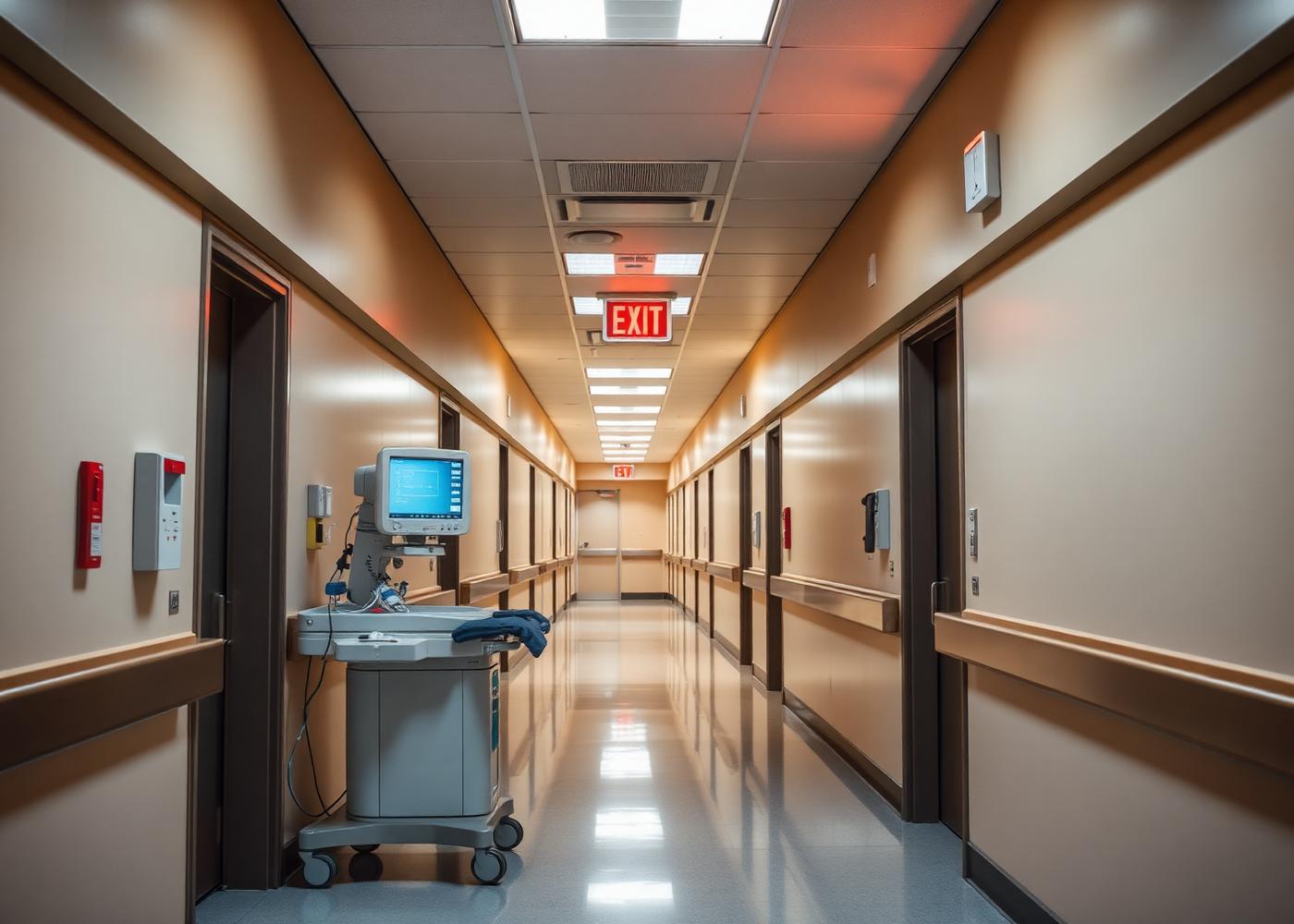
Load hierarchy
What has to carry, and in what order
- Patient care and monitoring
- Devices that cannot tolerate a transfer gap belong on battery UPS, with the generator carrying the sustained load behind it.
- Vaccine and medication refrigeration
- Narrow temperature bands, mandatory excursion logging, and high replacement cost make cold chain a first-tier load.
- Laboratory and imaging
- Analyzers, centrifuges, and imaging equipment have startup sequences and calibration states worth protecting.
- Records, scheduling, and connectivity
- EHR access, phones, and the network uplink determine whether you can operate at all.
- Life safety and egress
- Emergency lighting, exit signage, fire alarm, and door control per code and your AHJ.
- HVAC and pressurization
- Isolation, sterile, and procedure spaces depend on continuous air handling.
Design approach
Generator plus UPS, not generator alone
Bridge the transfer window
Code and AHJ alignment
Evidence for accreditation
Maintenance
An untested generator is a liability, not an asset
Most standby failures trace to fuel degradation, batteries, and coolant, all of which are caught by scheduled service and load-bank testing. For care facilities we recommend semi-annual service with annual load-bank verification and remote monitoring, so a failed weekly exercise generates a ticket rather than a surprise.
See maintenance plansRequest a critical-load study for your facility
Send your equipment list and occupancy type. We'll return a tiered load hierarchy, a system recommendation, and a firm quote within 48 hours.