Light industrial
Restart cost, not outage length, is what actually hurts
For shops and small plants the real loss is rarely the hours without power. It's the scrapped work in process, the reset controls, the recalibrated tooling, and the day it takes to get the floor back to where it was. Standby generation plus a UPS bridge protects the transition, not just the runtime.
Load character
Where industrial sizing goes wrong
- CNC and machine controls
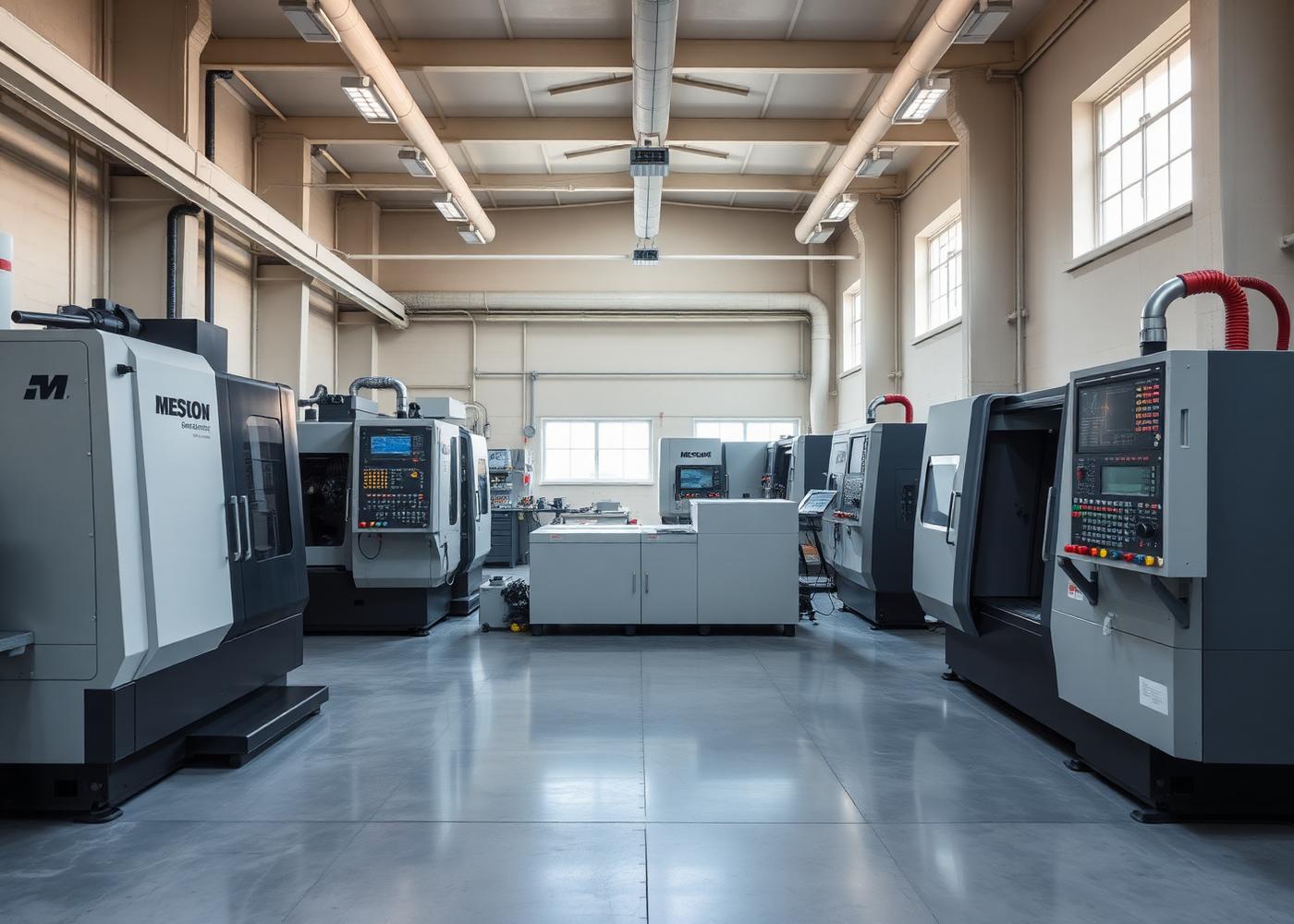
- A hard power loss mid-cycle can scrap the part, the tooling, and the setup. Controls and drives belong on conditioned, bridged power.
- Compressed air
- Air is the utility behind every other tool on the floor. Compressor motor starting drives generator sizing more than the nameplate suggests.
- Dust collection and exhaust
- Ventilation and collection are life-safety and code loads, not conveniences.
- Welding and fabrication
- High, intermittent draw with poor power factor. We plan for the peak, not the average.
- Process heating and curing
- Ovens, dryers, and curing cycles have thermal states that cost real money to lose.
- Servers, scheduling, and security
- Job tracking, drawings, cameras, and access control keep the business running even when the floor cannot.
Approach
Sized on measurement, not nameplate math
01
Motor starting first
We size around locked-rotor inrush and voltage dip limits, then verify running load. Soft starters and VFDs can cut the required alternator size substantially.
02
Load shedding by tier
Not everything has to run at once. Sequenced shedding keeps controls, air, and ventilation online while deferring the heavy loads.
03
Three-phase and paralleling
Where a single unit is the wrong answer, we specify paralleled gensets with the switchgear and controls to match.
Tell us what's on your floor
Send your equipment list and service size. We'll return a sizing recommendation, a shed strategy, and a firm quote within 48 hours.